
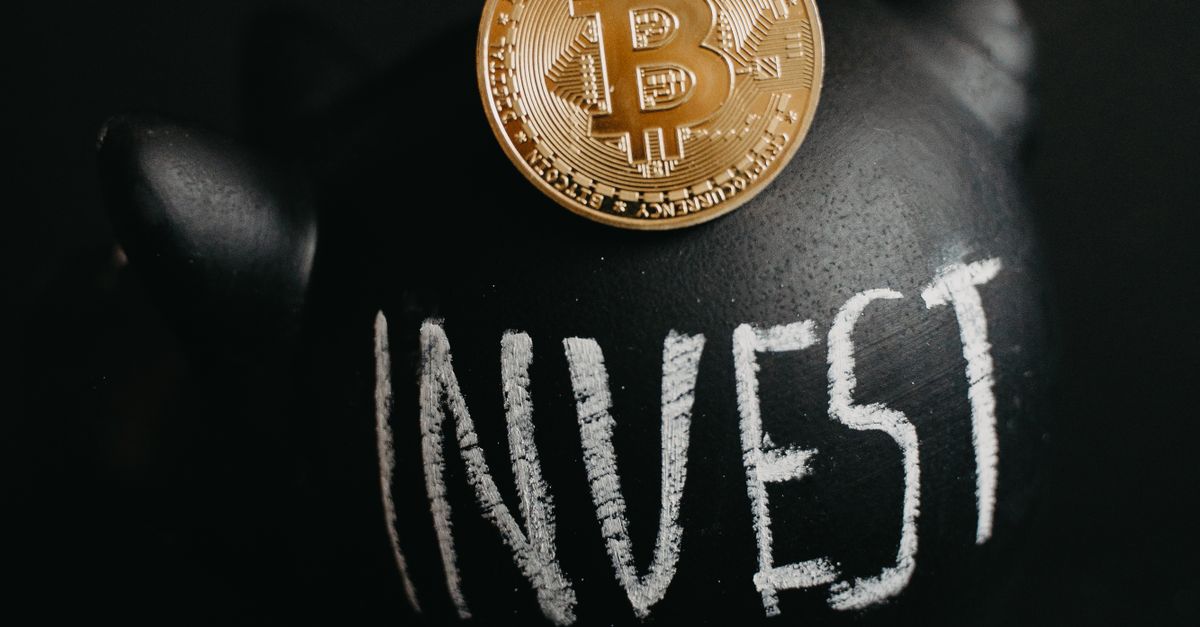

The United States Department of Labor has reversed its 2022 guidance that discouraged the inclusion of cryptocurrencies in 401(k) retirement plans. This decision, effective May 28th, removes restrictions previously placed on fiduciaries considering digital assets for retirement investment options. The rescinded guidance, deemed an overreach by the current administration, is seen as a return to a more neutral, principle-based approach to fiduciary investment decisions. Secretary of Labor Lori Chavez-DeRemer emphasized the importance of allowing fiduciaries, not government officials, to make investment choices.
The Biden administration’s 2022 guidance had warned against the inclusion of cryptocurrencies in 401(k) plans, citing significant risks and challenges due to volatility, speculative nature, and valuation concerns. The American Banking Association (ABA) criticized this guidance for its lack of public comment and review prior to implementation.
This reversal marks a significant shift in the US government’s approach to cryptocurrencies in retirement planning. It reflects a broader trend toward increased regulatory flexibility in the crypto space, potentially boosting asset managers’ ability to offer digital asset investment options within retirement plans.
This change comes amidst a broader shift in the US government’s stance on cryptocurrencies under the Trump administration. President Trump’s campaign promise to make the US “the world capital of crypto” has been accompanied by a noticeable easing of regulatory pressure on the crypto industry. The Securities and Exchange Commission (SEC) has scaled back enforcement actions and investigations against prominent Web3 companies like Uniswap, Coinbase, and Kraken. Simultaneously, the SEC is engaged in policy discussions concerning real-world asset tokenization and regulatory classifications of certain tokens.
However, President Trump’s involvement in the cryptocurrency space has also raised concerns among some lawmakers. Questions regarding potential conflicts of interest and insider trading related to his crypto ventures are prompting calls for increased scrutiny. The interplay between these policy changes and ongoing investigations highlights the complex and evolving regulatory landscape of cryptocurrencies in the United States.



