
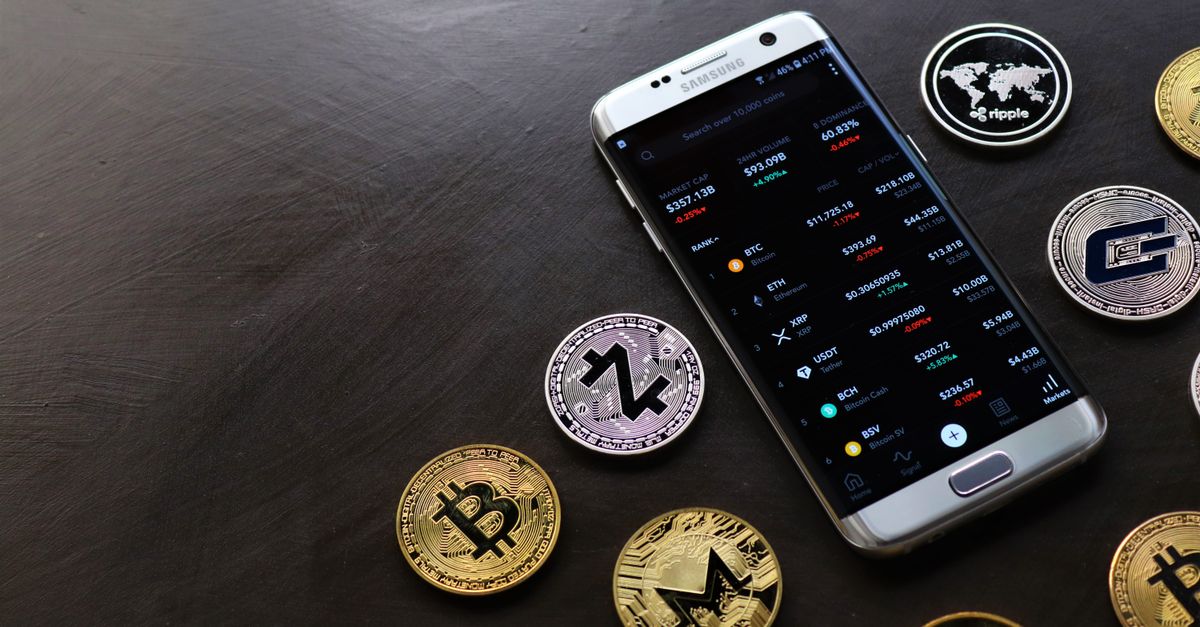

The reliance on centralized cloud infrastructure for sensitive data, coupled with the IRS’s proposed “mega API,” raises significant concerns regarding data privacy and accountability. This concentration of information presents a vulnerable target for potential breaches and misuse, highlighting the need for more robust and secure data management solutions. Decentralized technologies offer a compelling alternative, addressing these vulnerabilities through a paradigm shift in data storage and access.
Centralized systems, by their very nature, represent a single point of failure. A successful attack on a centralized cloud provider or the IRS’s API could expose vast amounts of sensitive taxpayer data, leading to widespread identity theft, financial fraud, and erosion of public trust. Current regulatory frameworks often struggle to keep pace with the evolving threats posed by sophisticated cyberattacks, making the potential consequences even more significant. Furthermore, the lack of transparency inherent in many centralized systems makes it difficult to track data usage and ensure compliance with privacy regulations. The opacity surrounding data handling procedures creates a fertile ground for misuse and potential abuses of power.
Decentralized technologies, such as blockchain and distributed ledger technologies (DLT), offer a fundamentally different approach. Instead of relying on a single point of control, data is distributed across a network of nodes, making it significantly more resilient to attacks. The decentralized nature of these systems enhances data security by reducing the impact of any single point of failure. Furthermore, the use of cryptographic techniques ensures data integrity and confidentiality, providing a higher level of protection compared to traditional centralized systems.
The enhanced transparency offered by decentralized technologies allows for greater accountability. All transactions and data modifications are recorded immutably on the blockchain, providing an auditable trail that can be used to track data usage and identify potential breaches. This increased transparency not only promotes greater trust but also facilitates the enforcement of privacy regulations and facilitates the prosecution of those who misuse data.
By adopting decentralized technologies, the IRS and other organizations handling sensitive data can significantly improve data privacy and accountability. This shift offers a more secure, transparent, and resilient approach to data management, addressing the vulnerabilities inherent in relying solely on centralized cloud infrastructure and large-scale APIs. The transition, however, requires careful planning, robust security measures, and a comprehensive understanding of the technological landscape. The potential benefits, however, outweigh the challenges, offering a more secure future for sensitive data in the digital age.



